
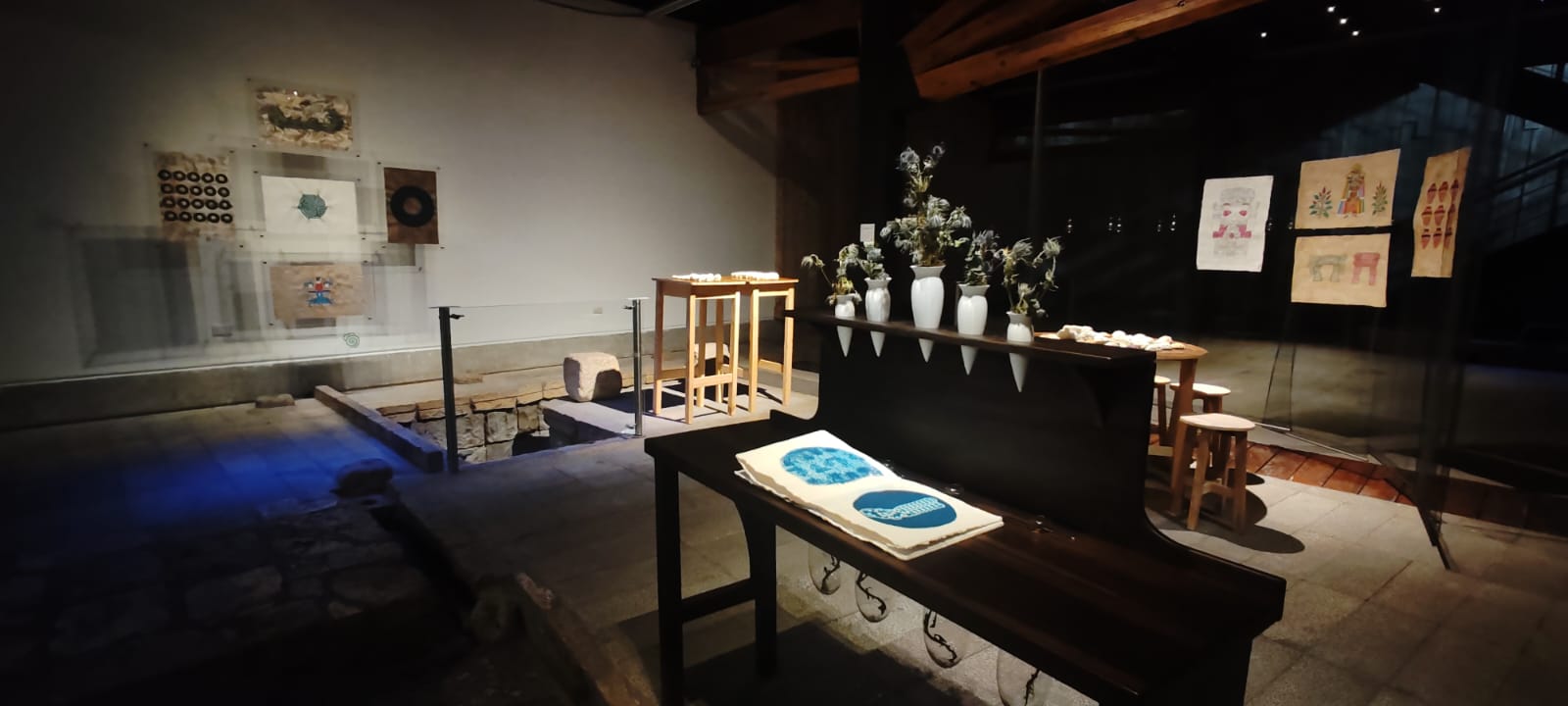
Futuros Ancestrales part of Game Over, Game On, at the Cuenca Biennale, 2025. Curated by Marta de Menezes.
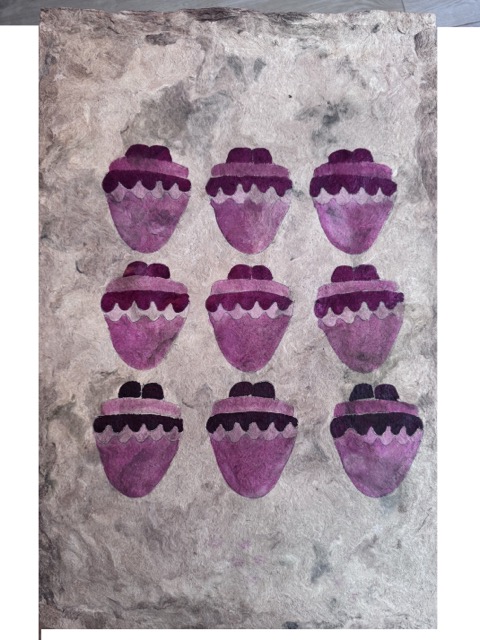
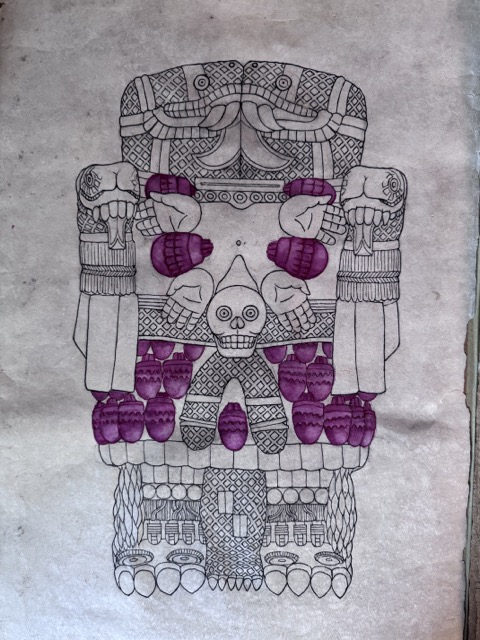
My ancestors burned hundreds of codices. My ancestors also wrote and painted in thousands of them their knowledge, their feeling, their thinking. Futuros Ancestrales is a triptych that reinscribes the fundamental: the everyday, the biological, and the molecular dimensions of Mexica thought, rendered in the language of amate paper, bark paper from the jonote tree.
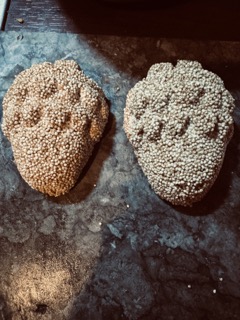
In these pieces, the ritual and the sacred are reincarnated in food-goddesses, in amaranth seeds, in tecuitlatl, and in the proteins of the bean. They are molecular and scientific gazes toward the ritual and the sacred, toward the remnants of Mesoamerican culture as living pathways for the present.
Part One: Comerse a las Diosas para Incorporarlas al Ser
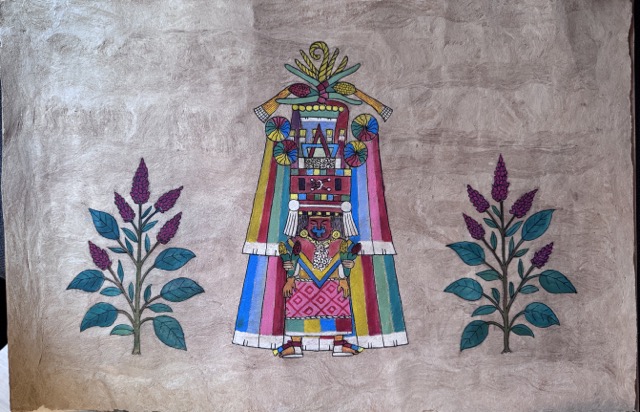
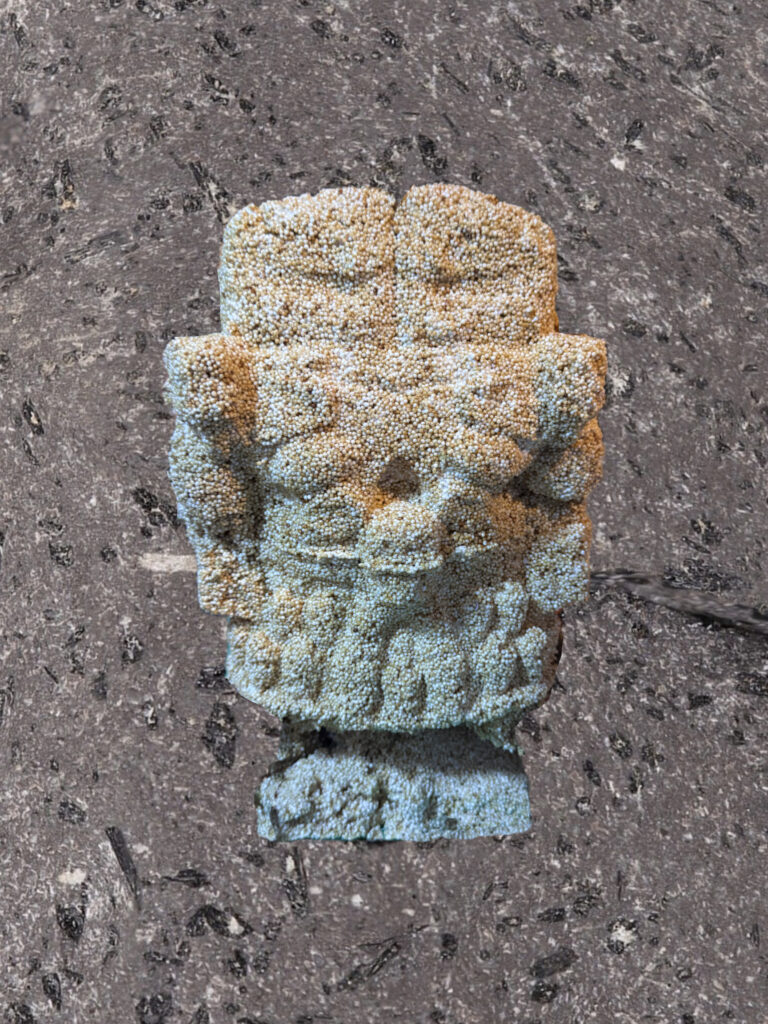
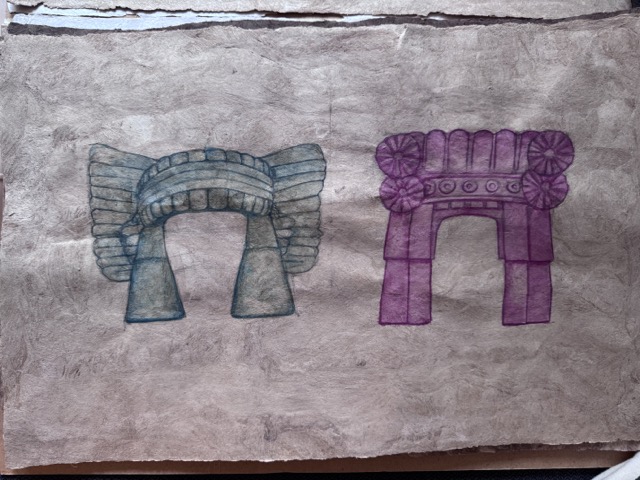
The trinity of Yollotlicue, Chicomecóatl, and Chalchiuhtlicue appears as mothers who are both nourishing and devouring. Their bodies, shaped from amaranth dough in the tradition of tzoalli, figures built to be consumed, were carried in processions, then sacrificed and eaten in an act of communion: to eat was to incorporate, to renew, to physically acquire the vital energy of the deities.
Amaranth, seed and sacrifice, nourishes while also recalling the fragmented body of the primordial god, sectioned to give life to the earth and humans. Yollotlicue, associated with the earth and the offered heart, held death transformed into life. Chalchiuhtlicue, goddess of water, gave nourishment through rain and destruction through flood. Chicomecóatl, personification of harvest and sustenance, revealed the agricultural cycle in which the seed dies in order to be reborn.
In these three figures, duality is unified: fertility and sacrifice, life and death, as a cosmogonic act of creation and renewal.
Part Two: El Libro de Etl
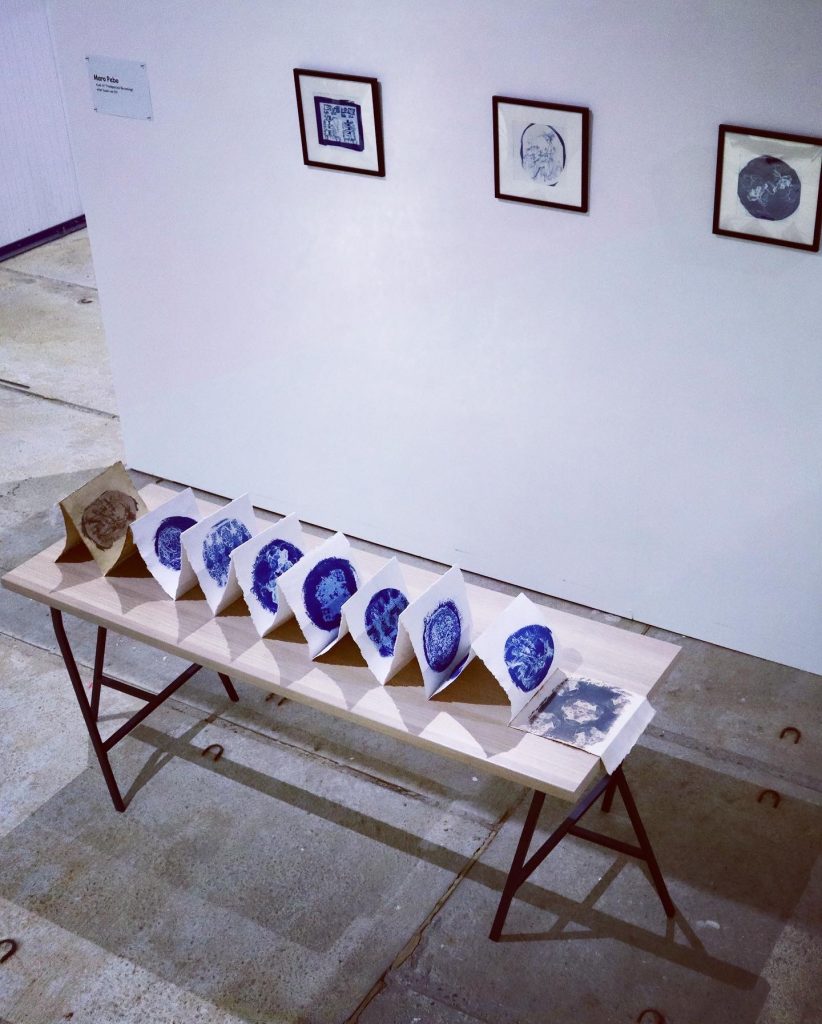
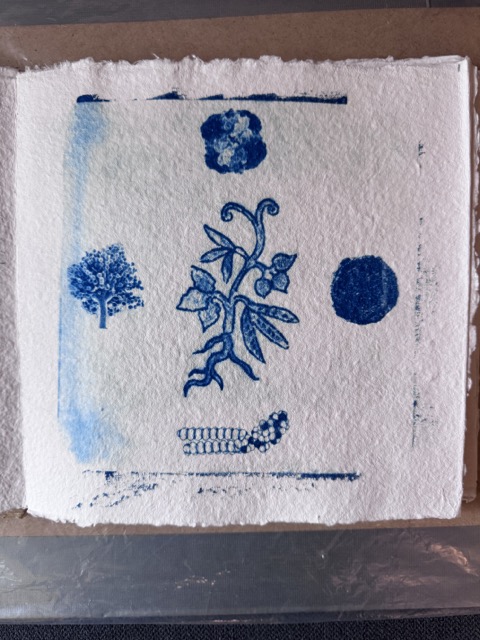
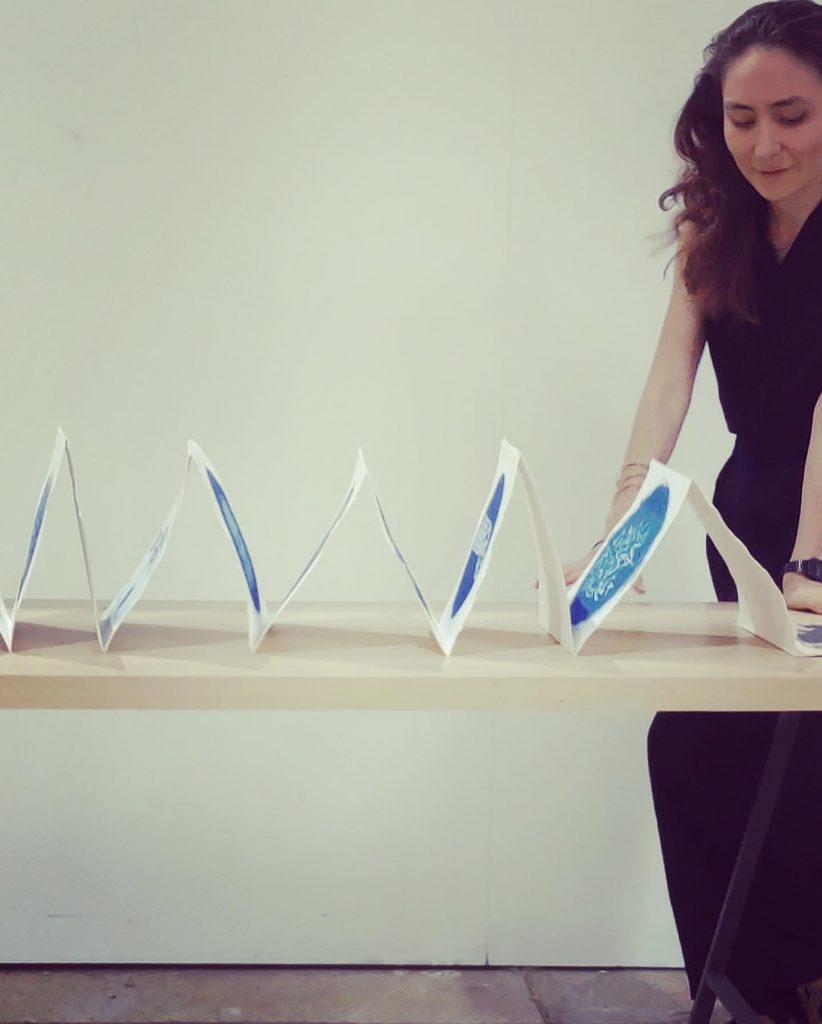
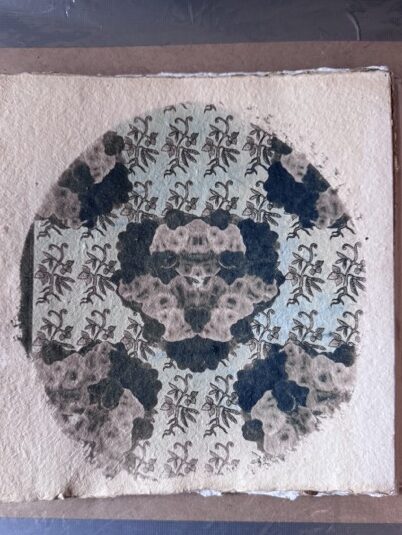
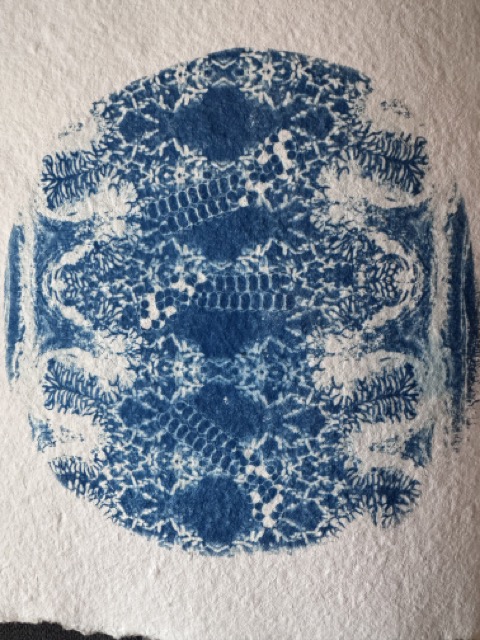
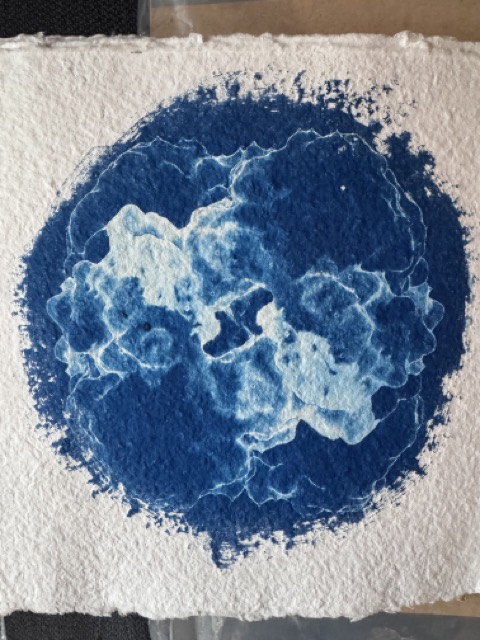
El Libro de Etl is a symmetrical codex that narrates the story of the ancient bean seed, fundamental sustenance of Mesoamerican peoples, and its unlikely but profound alliance with the Koji fungus.
Beans have sustained Mesoamerican peoples for thousands of years, yet their full nourishment remains locked without help. The Koji fungus produces an enzyme that allows us to digest beans properly, releasing nutrients that would otherwise pass through us untouched.
The four cardinal points of the story, presented in the central image of the book, are bacteria, fungi, indigestible carbohydrates, and the golden enzyme. They organise themselves around the bean as plant, as seed, and as food.
The work is a gesture toward wonder in our capacity to observe and understand living organisms, and toward the deep interspecies relationships that have quietly sustained human life across centuries.
Part Three: Tecuitlatl
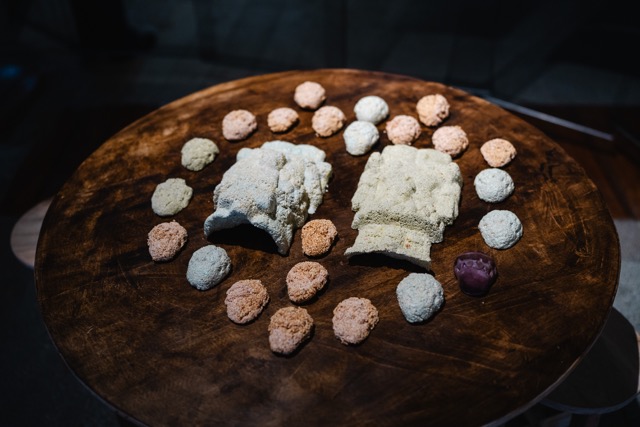
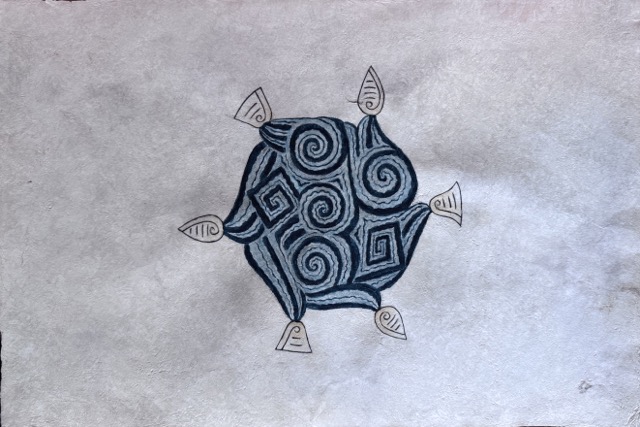
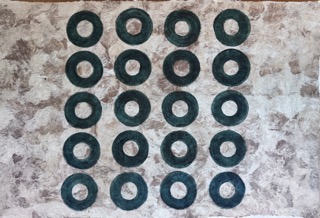
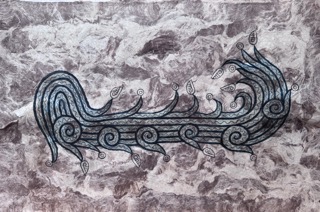
Tecuitlatl, “excrement of the stone,” was the name the ancient Mexica gave to cyanobacteria harvested from Lake Texcoco. They used it in two ways: as a pigment for painting codices and as food, rich in protein, vitamins, and minerals. Today, this organism is known as Spirulina.
The species Arthrospira platensis grows in a spiral form. In this work, the spiral connects to the fractal patterns the Mexica used to represent the movement of water in their codices. The same organism that coloured images of jade circles and precious water was also consumed at ceremonies alongside amaranth, forming part of a sacred food system where nourishment and ritual were inseparable.
Some studies suggest its deep blue-green colour and aquatic origin linked tecuitlatl to Chalchiuhtlicue, goddess of water, and to the cycles of fertility she governed.
Technical sheet
Edible sculptures and codices on amate paper 2025
Artwork by Maro Pebo, Drawing and painting assistance on amate paper: Jan Hein van Dierendonck, 3D modelling assistance: Victor Torres (@Climanyaro)