
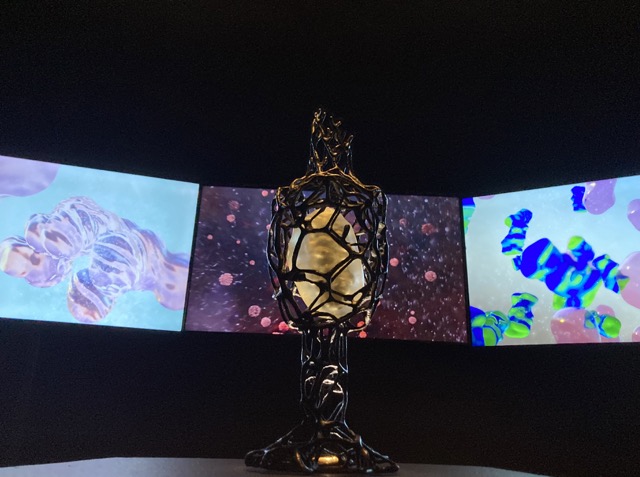
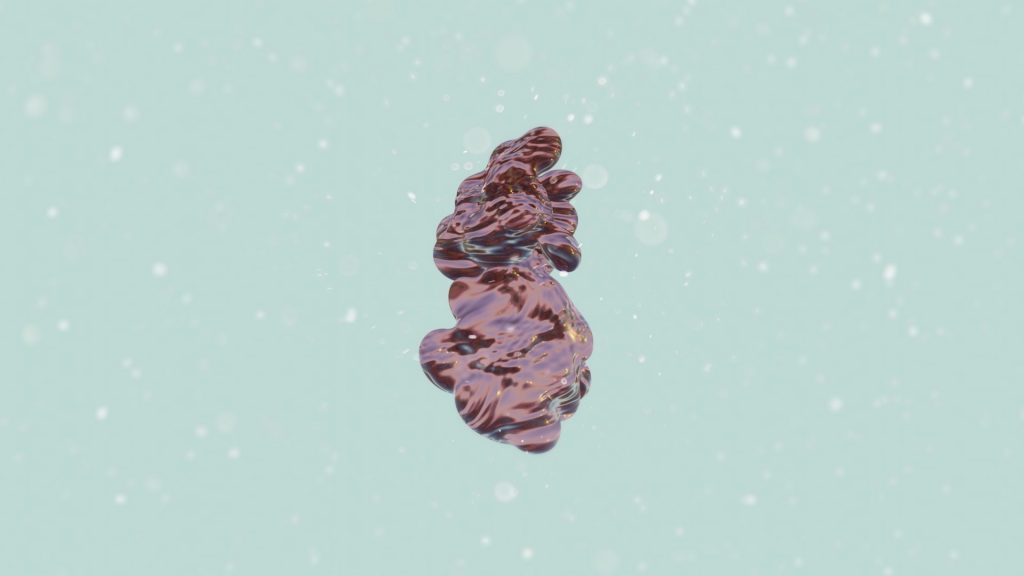
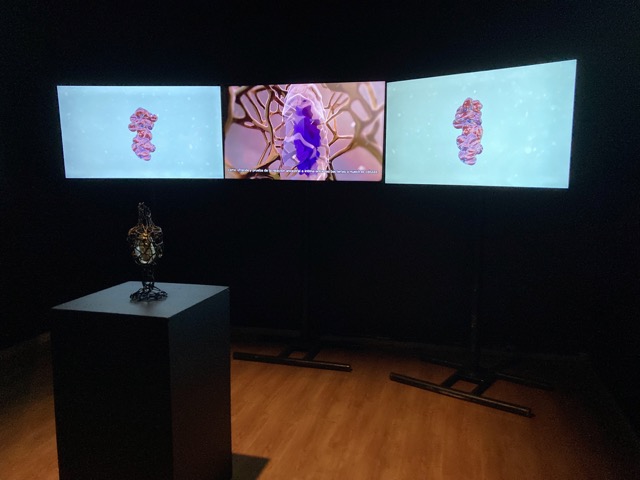
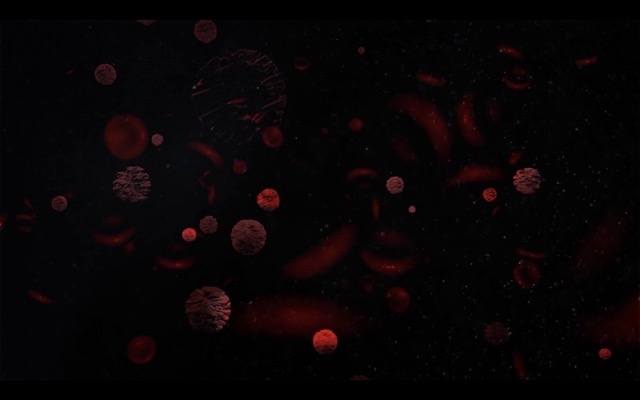
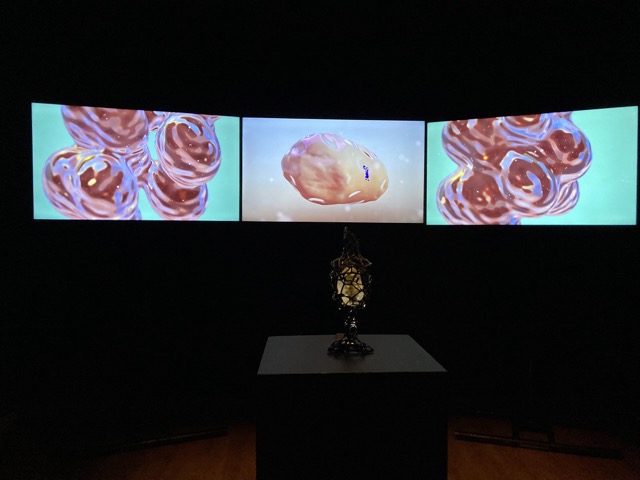
Microbial Emancipation is about the intimate relationship we have with bacteria. It materialises and gives a place of appreciation to mitochondria, ancient bacteria that are now part of our bodies and sustain our lives. The reliquary contains the mitochondria of the artist, set free from their intimate relation to our cells, a sacrifice to make visible the closeness we have forgotten.

The Reliquary
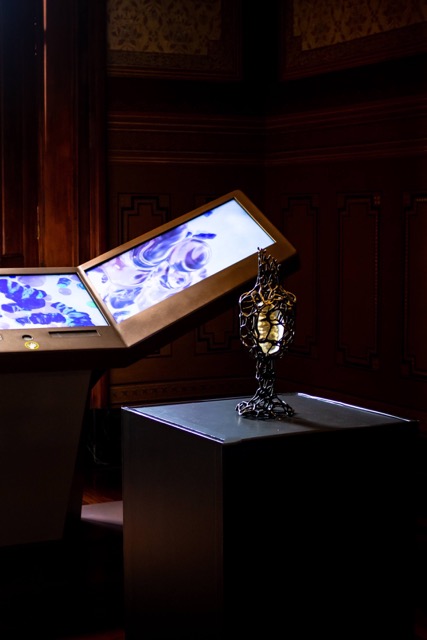
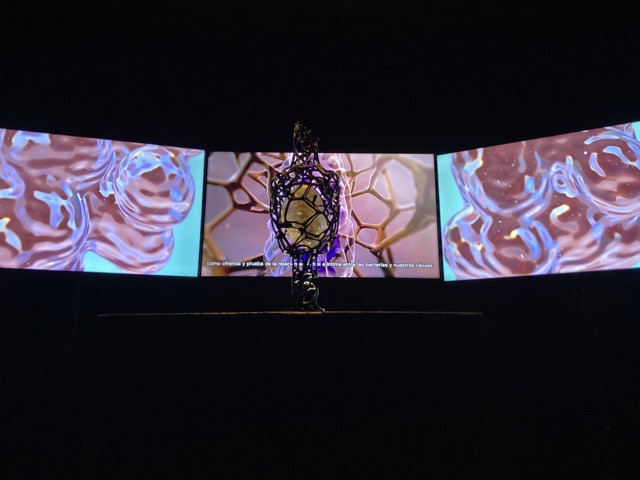
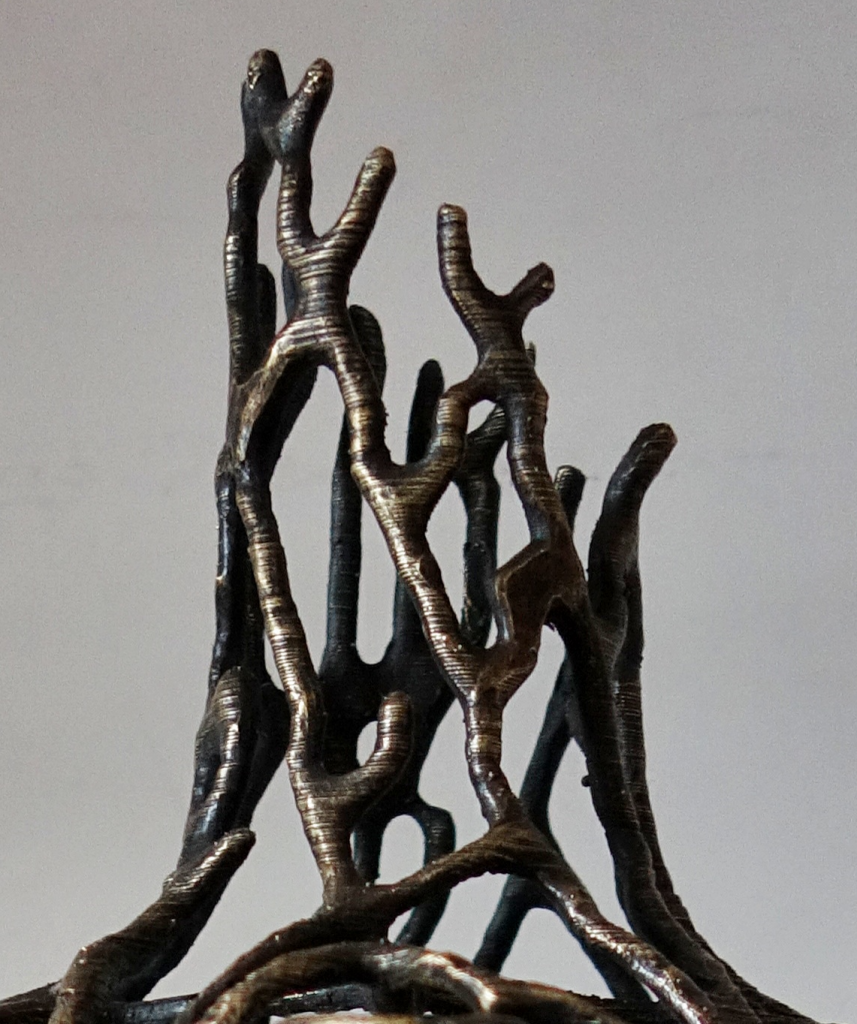
The bronze reliquary is a place of appreciation for something precious that lives inside us, unnoticed. The reliquary contains the remaining mitochondria extracted from the artist’s cells.
Reliquaries have historically played the role of containing precious remains as presence and proof of what is sacred. The mitochondria in this reliquary are fragments of an ancient organism, of a relationship billions of years old, of a life that gave itself up so that other forms of life could exist.
The reliquary displays, holds, and honours. The mitochondrion deserves the quality of attention we reserve for the sacred.
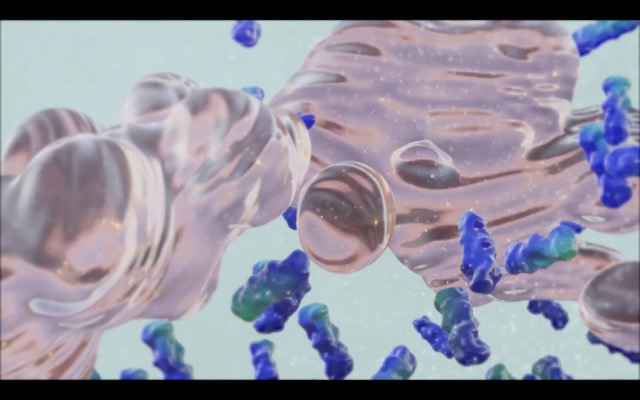
The form of the reliquary derives from the endoplasmic reticulum, the cellular structure that houses and allocates mitochondria within the cell, as traditional reliquaries echo the shape of the body part they contain.
Sacrifice and Making Visible
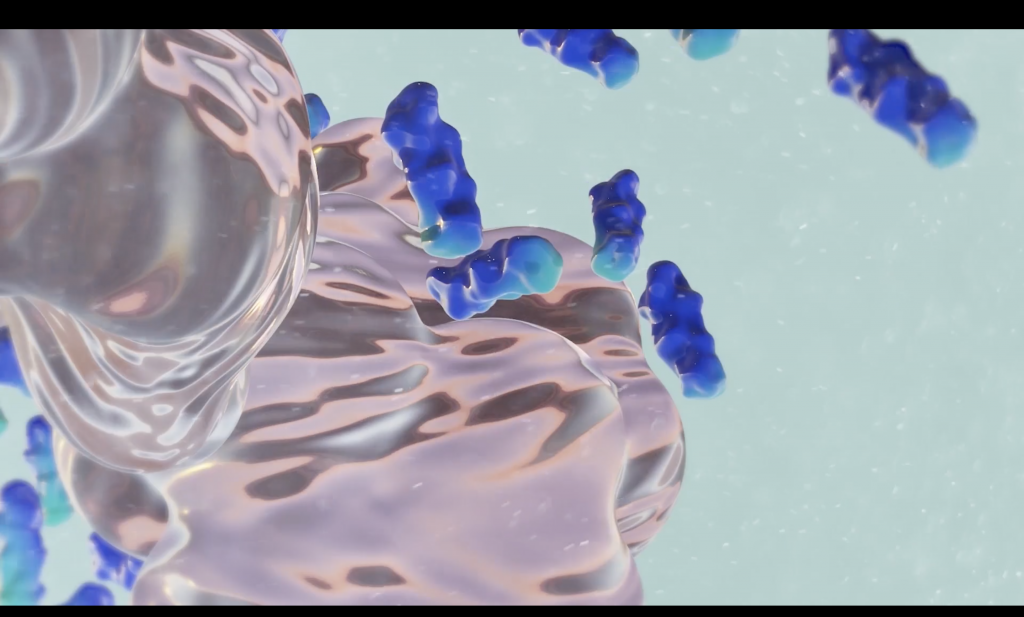
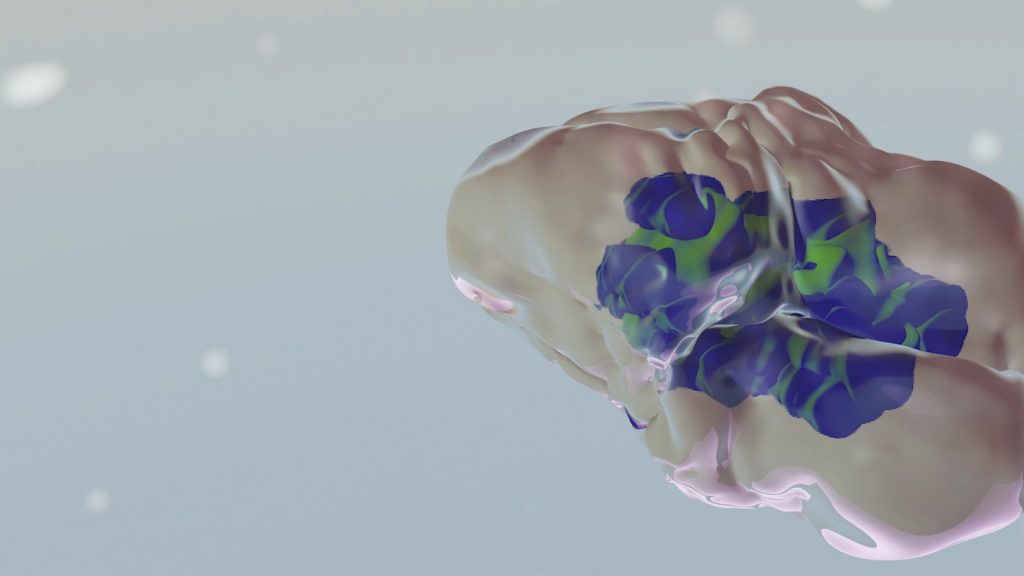
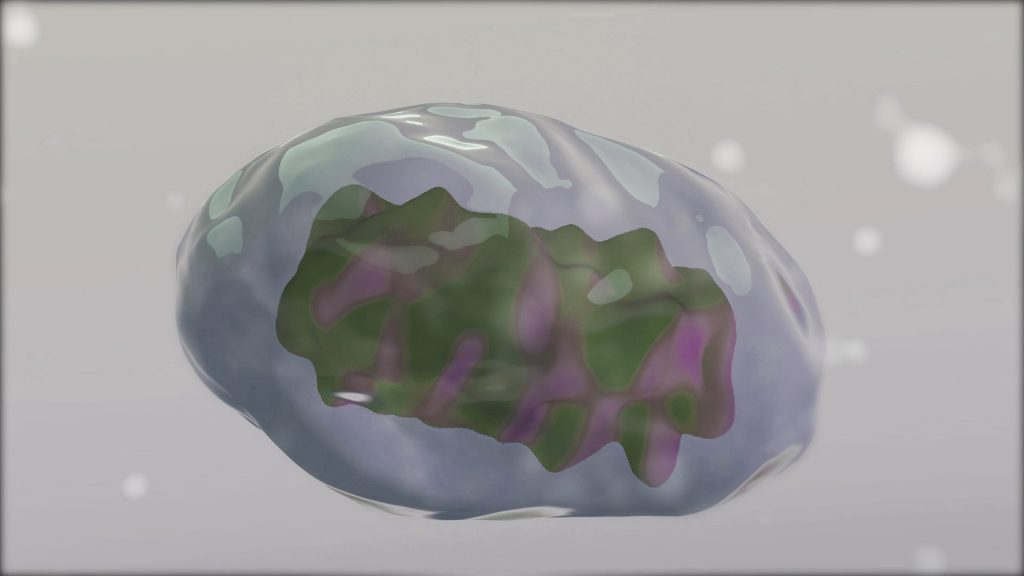
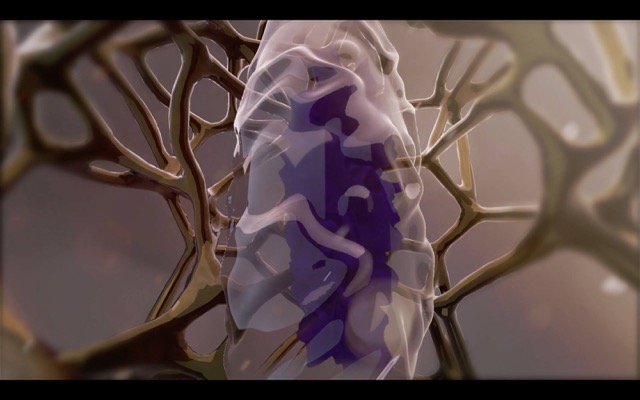
The mitochondrion was once a free-living bacterium. Billions of years ago, it was engulfed by a larger archaeal cell, and rather than being digested, it survived to become part of something larger. That sacrifice made multicellular life possible. Every animal, plant, and fungus on earth exists because of it.
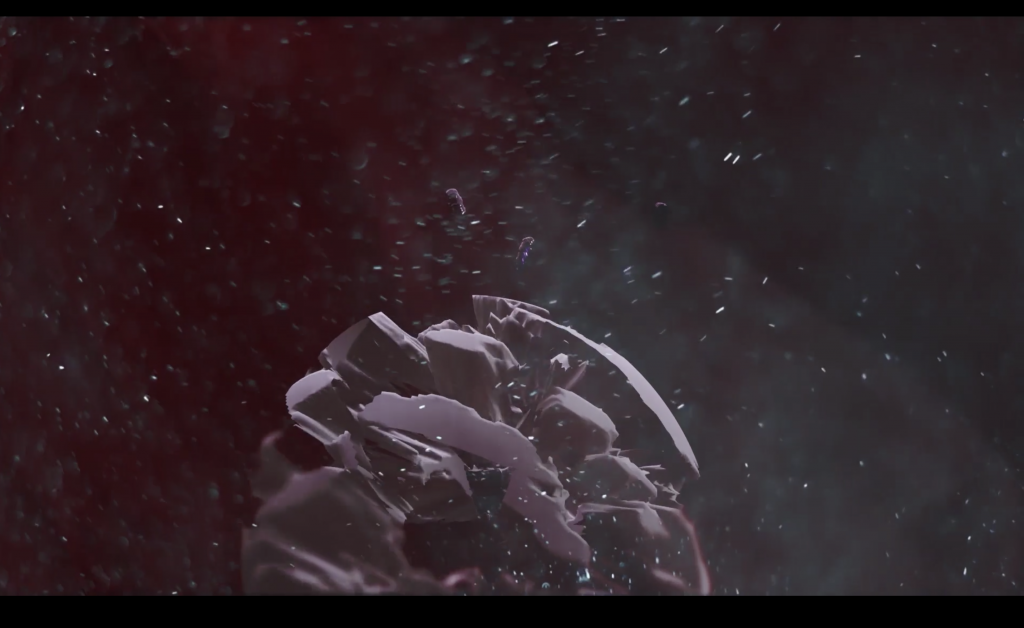
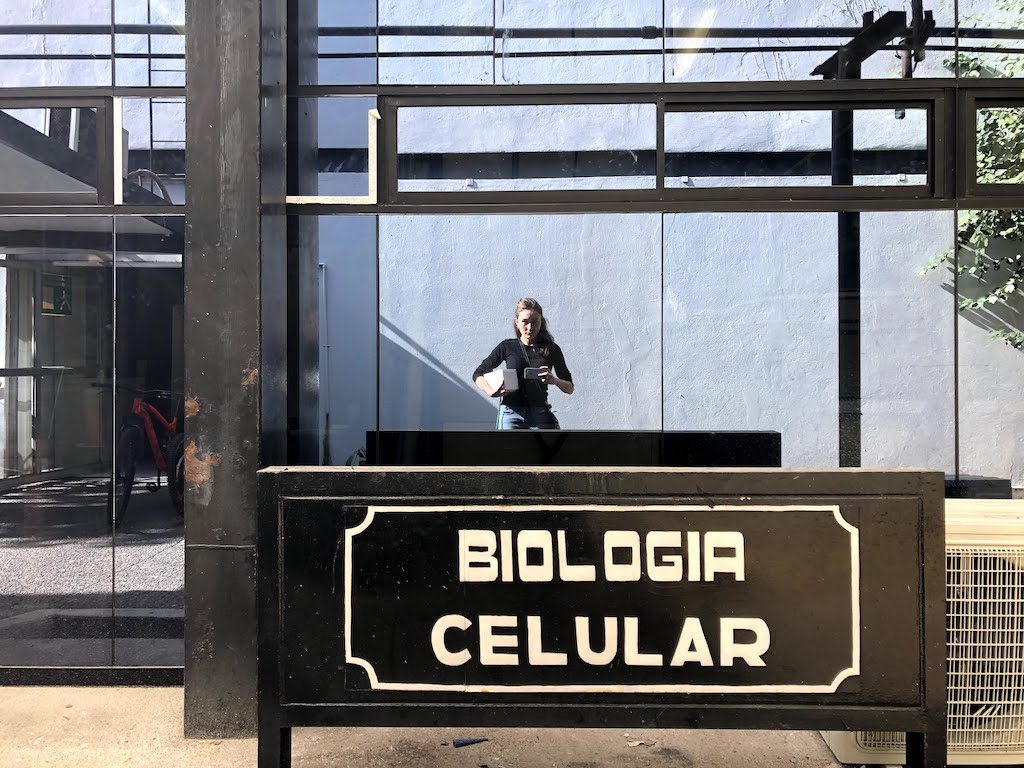
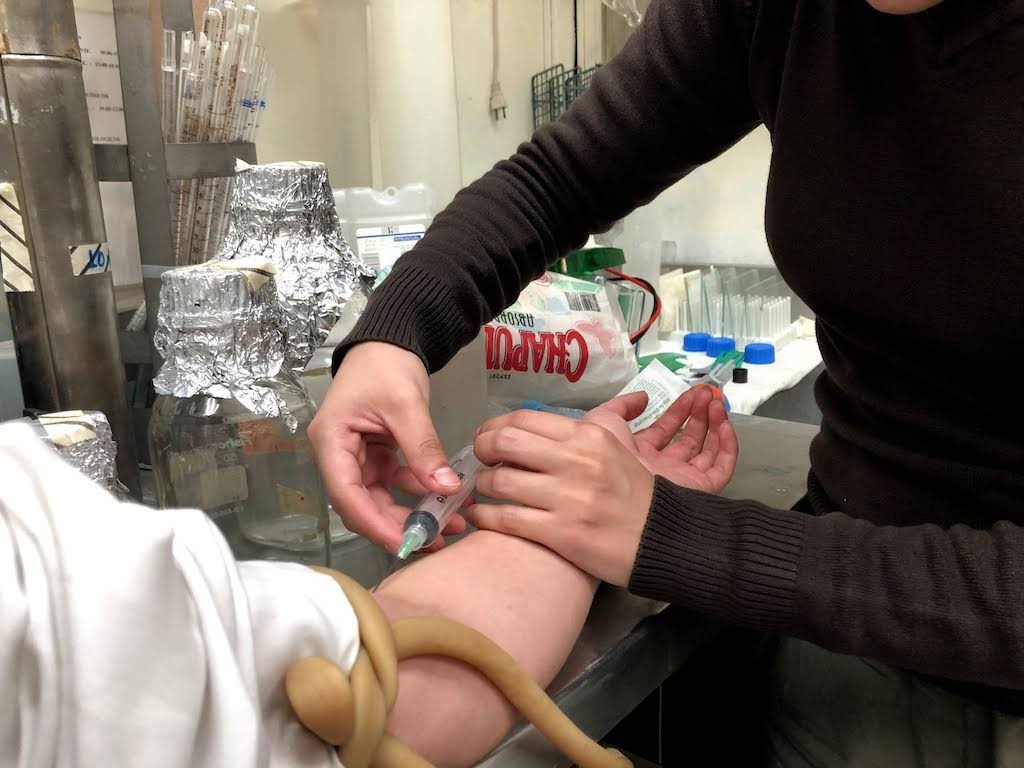
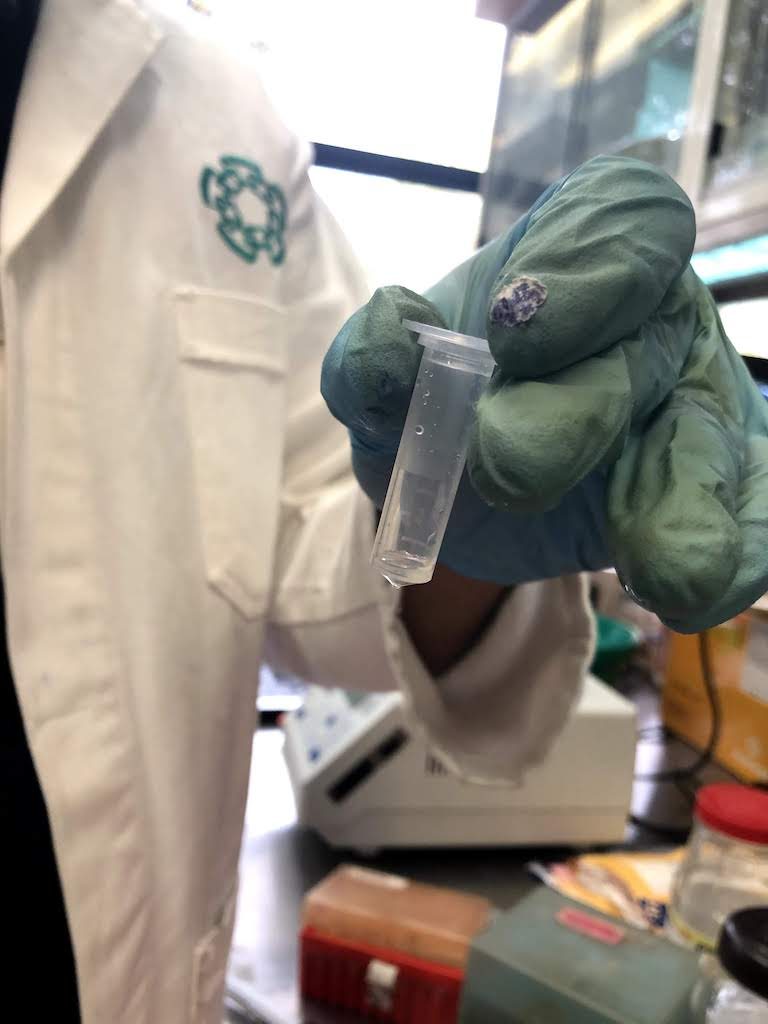
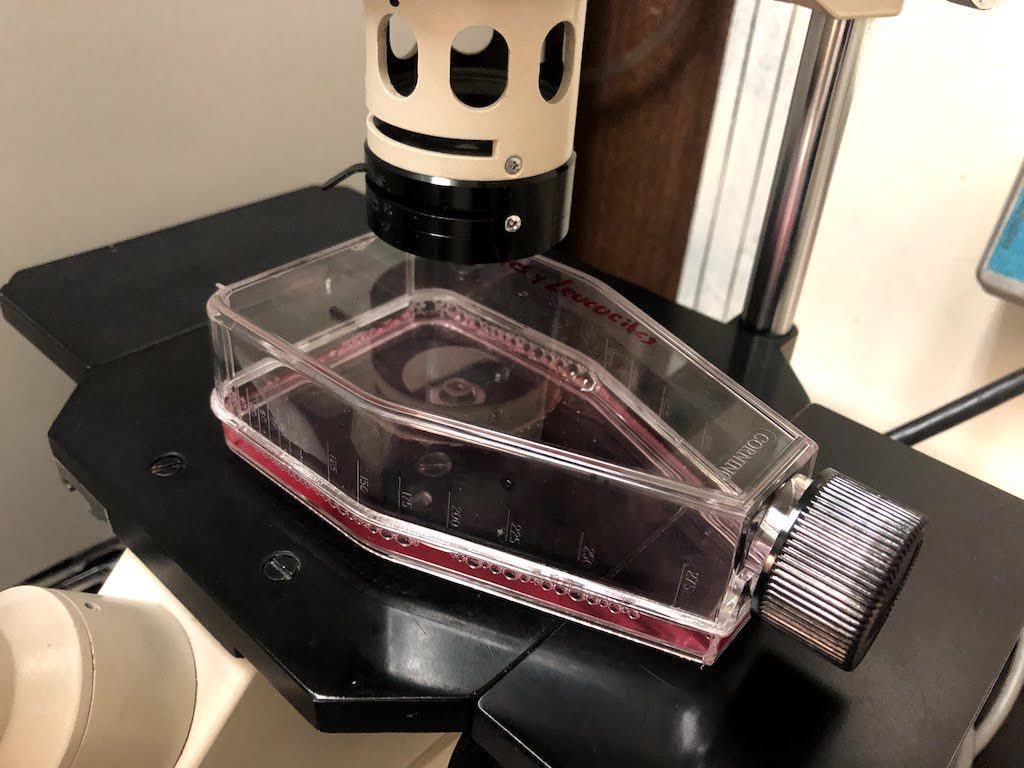
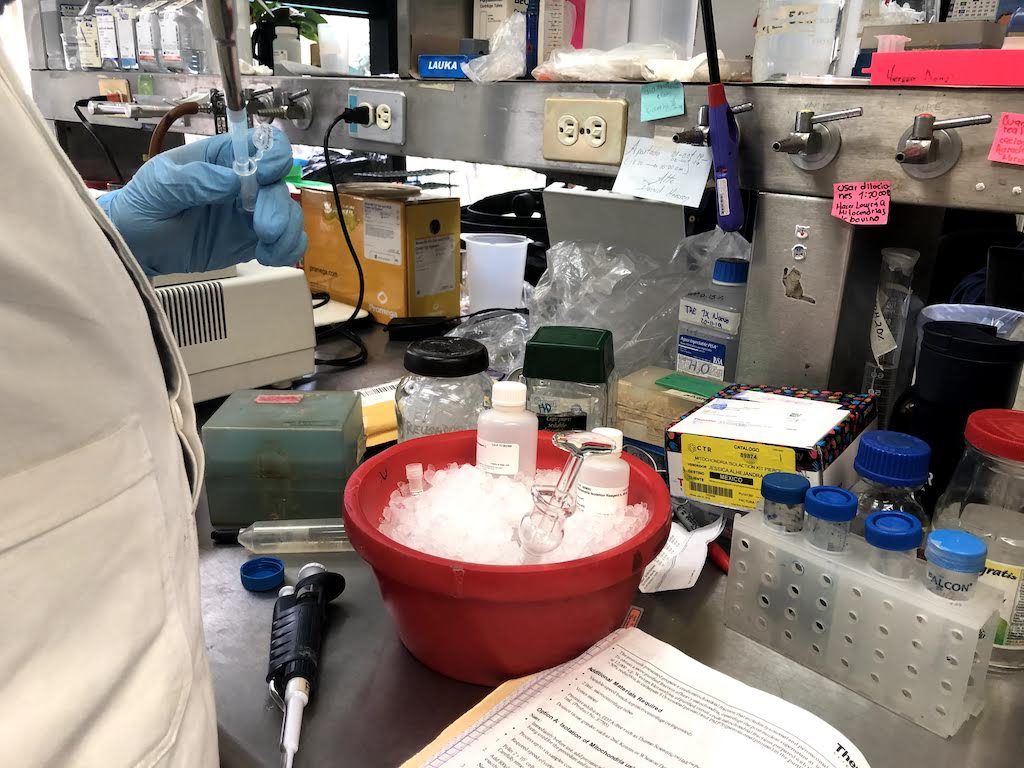
In this work, the mitochondria are extracted from the artist’s cells. To free them is to kill them. The cell dies when broken open. The mitochondrion, separated from the cell it has inhabited for billions of years, can no longer survive independently. The endosymbiosis is so complete, so ancient, so fundamental, that separation is death. The cell and the mitochondrion die together to prove that they could not live apart.
This is the work’s central paradox and its deepest argument: to make the relationship visible, it must be undone.
Post-anthropocentric Awareness
Microorganisms are the oldest, most abundant, most diverse, and most omnipresent forms of life on this planet. We did not come before them. We came from them. We are, in part, them. Microbial Emancipation proposes to generate a post-anthropocentric awareness that recognises that the existence of all animals, including humans, depends on microorganisms at every level, including the most intimate level of all: inside each of our cells.
Credits
Artwork by Maro Pebo
In collaboration with Malitzin Cortes (CNDSD) — 3D animation and video
Yun W Lam — scientific conceptual collaborator
Victor Climanyaro — 3D modelling and printing
Scientific support:
Dr Hersson Vazquez — mitochondrial isolation, CINVESTAV
Dr Juan Pedro Luna Arias — molecular biology laboratory, CINVESTAV
Dr Erika Rubí Luis García — UNAM
Funded by a PAPIAM grant, Centro Multimedia, CENART, Mexico City
Exhibition history
CoMciência, Gerdau Museum, Belo Horizonte, Brazil, 2020
Lahore Media Arts Festival, Pakistan, 2021
Art Machines 2, City University of Hong Kong, 2021
PAPIAM Exhibition, Centro Multimedia, CENART, Mexico City, 2022
The Death of a Naturalist, The Rest Gallery, Ithaca, NY, 2023
Devenires Transespecie, Galería Municipal, Querétaro, México, 2024
Teaser
Media
MM-Gerdau-EM-Cultura-08-de-dezembro-de-2020-Links
Conference presentation of Microbial Emancipation at Art Machines 2, City University of Hong Kong, 2021. Microbial Emancipation — Proceedings text, Art Machines 2021 Hong Kong